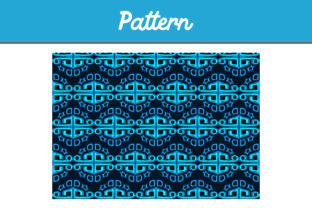
Thai Traditional Art on Blue Pattern
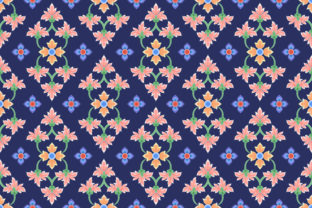
Thai Traditional Art on Blue Pattern is a distinctive design motif rooted in the rich cultural heritage of Thailand. This pattern draws inspiration from traditional Thai art forms, often featuring intricate motifs such as floral patterns, geometric shapes, and symbolic elements that reflect the country’s spiritual and historical narratives. The use of blue as a dominant color adds a unique visual identity to these designs, making them both visually striking and culturally significant.
What Makes Thai Traditional Art on Blue Pattern Unique?
One of the defining characteristics of Thai Traditional Art on Blue Pattern is its deep connection to Thai culture and history. These designs are not merely decorative; they often carry symbolic meanings related to nature, spirituality, and social values. For instance, certain motifs may represent prosperity, protection, or fertility, while others may depict scenes from mythology or daily life.
The choice of blue as the primary color also sets this pattern apart. In Thai culture, blue is associated with calmness, wisdom, and the sky, making it a powerful symbol in both art and design. This color choice contributes to the serene and elegant aesthetic that defines Thai Traditional Art on Blue Pattern.
Another key feature is the seamless nature of the pattern. Unlike some traditional designs that repeat in a linear or segmented manner, this pattern flows continuously without visible seams. This makes it highly versatile for a wide range of applications, from fabric printing to digital backgrounds.
Comparing Thai Traditional Art on Blue Pattern with Similar Options
While Thai Traditional Art on Blue Pattern shares similarities with other traditional textile patterns from Southeast Asia, such as those found in Indonesia or Vietnam, it has its own distinct style and symbolism. For example, Indonesian batik often features more complex storytelling through its motifs, whereas Thai patterns tend to emphasize harmony and balance in their composition.
In terms of color palette, Thai Traditional Art on Blue Pattern is more restrained compared to some other regional designs. While many traditional patterns use vibrant reds, golds, and greens, the blue-dominated scheme of this pattern gives it a more subdued yet sophisticated appearance.
When compared to modern abstract or geometric patterns, Thai Traditional Art on Blue Pattern offers a more historical and cultural context. It appeals to those who appreciate traditional craftsmanship and want to incorporate authentic cultural elements into their projects.
Strengths and Tradeoffs
One of the main strengths of Thai Traditional Art on Blue Pattern is its versatility. The seamless design allows it to be used across multiple mediums, including fabrics, wallpapers, gift wrapping, and digital backgrounds. This adaptability makes it an excellent choice for creative professionals looking to add a touch of authenticity and elegance to their work.
Additionally, the high-resolution formats available—such as 5000 x 5000 px JPEG and EPS 8—ensure that the pattern remains crisp and clear even when scaled up for large-scale applications. This quality is particularly important for designers working with programs like Adobe Illustrator or Affinity Designer.
However, there are tradeoffs to consider. The cultural specificity of the design means that it may not be suitable for all audiences or contexts. For example, using this pattern in a commercial setting outside of Thailand might require additional consideration regarding cultural sensitivity and interpretation.
Moreover, the traditional nature of the design may limit its appeal to those seeking more contemporary or minimalist aesthetics. While this can be seen as a limitation, it also reinforces the pattern’s authenticity and cultural value.
Best-Fit Situations and Use Cases
Thai Traditional Art on Blue Pattern is ideal for projects that aim to evoke a sense of cultural heritage and artistic depth. It works exceptionally well in interior design, where it can be used to create a calming and elegant atmosphere. For instance, using this pattern as a wallpaper or backdrop in a living room or bedroom can add a subtle yet meaningful visual element.
It is also well-suited for fashion and textile design. The seamless nature of the pattern makes it perfect for fabric printing, allowing designers to create garments that are both stylish and culturally inspired. Similarly, it can be used for gift wrapping, adding a unique and thoughtful touch to presents.
For digital creators, this pattern offers a great option for background images, website headers, or social media graphics. Its clean and elegant design ensures that it complements rather than overwhelms the content it supports.
Decision Factors and Alternatives
When deciding whether to use Thai Traditional Art on Blue Pattern, several factors should be considered. First, the intended application plays a crucial role. If the project requires a more modern or abstract look, alternative patterns may be more appropriate. However, if the goal is to incorporate cultural elements with a timeless aesthetic, this pattern could be the right choice.
Cultural sensitivity is another important consideration. While the pattern is deeply rooted in Thai tradition, its use in non-Thai contexts should be approached with care. Understanding the cultural significance behind the design can help ensure that it is used respectfully and effectively.
Finally, the availability of high-quality files is a practical factor. The fact that the pattern comes in both JPEG and EPS formats ensures compatibility with a wide range of design software, making it accessible to both beginners and experienced designers alike.
Conclusion
Thai Traditional Art on Blue Pattern offers a unique blend of cultural heritage, visual elegance, and functional versatility. Whether used in textiles, interiors, or digital design, it provides a meaningful and aesthetically pleasing option for those looking to incorporate traditional art into their creative projects. By understanding its strengths, limitations, and best-fit applications, users can make informed decisions about whether this pattern aligns with their needs and goals.