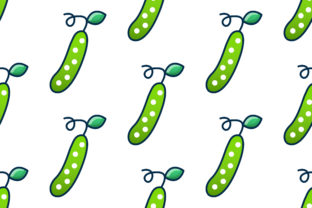
Understanding the Cucumber Seamless Pattern: A Versatile Design Tool for Digital Creators
The Cucumber Seamless Pattern is a unique design element that offers an elegant and natural aesthetic, ideal for a variety of digital creative projects. This seamless pattern mimics the subtle textures and organic shapes found in cucumber skin, providing a fresh and modern look that can be seamlessly integrated into graphic designs, web backgrounds, and print materials. Its versatility makes it a popular choice among designers looking to add a touch of nature-inspired elegance to their work.
What Makes the Cucumber Seamless Pattern Stand Out?
Unlike traditional patterns that often repeat in a rigid, grid-like fashion, the Cucumber Seamless Pattern is designed to flow smoothly without visible seams. This means it can be stretched or scaled across any surface without losing its visual integrity. The pattern’s organic feel comes from its realistic depiction of cucumber texture, which includes fine ridges and gentle curves that mimic the natural growth of the fruit.
One of the key advantages of this pattern is its adaptability. It works well in both light and dark color schemes, making it suitable for a wide range of applications. Whether used as a background for a website, a texture overlay for a product image, or a repeating motif in a textile design, the Cucumber Seamless Pattern maintains its visual appeal and cohesion.
Comparing the Cucumber Seamless Pattern with Similar Options
When evaluating the Cucumber Seamless Pattern, it’s useful to compare it with other seamless patterns available in the market. While many seamless patterns focus on geometric shapes or abstract designs, the Cucumber Seamless Pattern stands out due to its natural, organic theme. This distinction makes it particularly appealing for projects that aim to evoke a sense of freshness, health, or botanical inspiration.
For instance, compared to a standard floral seamless pattern, the Cucumber Seamless Pattern offers a more subdued and understated look. It avoids the overwhelming presence of flowers and instead focuses on the subtle details of a single fruit. This makes it ideal for minimalist designs or those that require a clean, uncluttered background.
On the other hand, when compared to a leaf-based seamless pattern, the Cucumber Seamless Pattern provides a different kind of organic texture. While leaves offer a more dynamic and varied shape, cucumbers provide a consistent, smooth surface that can be easily repeated without distortion. This consistency is a significant advantage for designers working on large-scale projects such as banners, packaging, or interior design elements.
Strengths and Limitations of the Cucumber Seamless Pattern
The Cucumber Seamless Pattern has several strengths that make it a valuable resource for designers. First and foremost, its seamless nature allows for easy integration into various design formats without the need for complex editing. This is especially beneficial for users who are not familiar with advanced design software or who prefer a more straightforward workflow.
Additionally, the pattern’s natural appearance adds a level of authenticity that can enhance the overall aesthetic of a project. Whether used in a wellness brand’s branding materials or a food-related marketing campaign, the Cucumber Seamless Pattern can help create a cohesive and visually appealing design.
However, like any design tool, the Cucumber Seamless Pattern also has its limitations. One potential drawback is its limited versatility in terms of color variation. While the pattern can be adapted to different color palettes, it may not offer the same level of customization as some other seamless patterns that come in multiple versions or allow for greater flexibility in color adjustments.
Another consideration is the pattern’s suitability for certain types of projects. For example, while it works well as a background or texture overlay, it may not be the best choice for highly detailed illustrations or intricate compositions where a more textured or layered approach is required.
When to Choose the Cucumber Seamless Pattern
The Cucumber Seamless Pattern is an excellent choice for designers who are looking for a subtle yet effective way to incorporate natural elements into their work. It is particularly well-suited for projects that emphasize simplicity, clarity, and a connection to nature. Some common use cases include:
- Website Backgrounds: Adding a soft, organic texture to a website’s background can create a calming and inviting atmosphere, especially for health, wellness, or lifestyle brands.
- Product Packaging: The pattern can be used as a subtle background or texture overlay on product boxes, helping to reinforce a natural and eco-friendly brand image.
- Graphic Design Elements: It can serve as a base layer for logos, illustrations, or other design elements, offering a clean and professional look.
- Interior Design Concepts: In architectural or interior design projects, the pattern can be used to create a sense of freshness and vitality in spaces such as kitchens, bathrooms, or wellness centers.
Alternatives and Considerations for Decision-Making
While the Cucumber Seamless Pattern has its own set of advantages, it is important to consider alternative options depending on the specific needs of a project. For example, if a designer is looking for a more vibrant and colorful pattern, they might explore options such as citrus or berry-themed seamless patterns, which offer a broader range of hues and textures.
For those seeking a more dynamic and intricate design, a leaf or vine-based seamless pattern could be a better fit. These patterns often feature more complex shapes and layers, making them ideal for projects that require a richer visual composition.
Ultimately, the decision between the Cucumber Seamless Pattern and other alternatives depends on the desired outcome, target audience, and the overall design vision. It is essential to evaluate how each pattern aligns with the specific goals of the project and whether it supports the intended message or brand identity.
Practical Tips for Using the Cucumber Seamless Pattern Effectively
To get the most out of the Cucumber Seamless Pattern, designers should consider the following tips:
- Experiment with Color Palettes: While the pattern has a natural tone, it can be adapted to different color schemes by adjusting the background or overlay colors. This flexibility allows for greater customization based on the project’s needs.
- Use in Complementary Designs: Pair the pattern with contrasting or complementary colors to ensure it remains visually engaging without overpowering the overall design.
- Test Across Different Formats: Before finalizing a design, test the pattern in various formats such as print, web, and mobile to ensure it performs consistently across all platforms.
- Combine with Other Elements: Use the pattern as a base layer and build upon it with other design elements to create a more layered and sophisticated look.
By understanding the strengths, limitations, and appropriate use cases of the Cucumber Seamless Pattern, designers can make informed decisions that align with their creative goals and project requirements. Whether used as a subtle background or a key design element, this pattern offers a versatile and elegant solution for a wide range of digital creative projects.