Lychee Pattern: A Versatile Design Tool for Creative and Practical Use
When it comes to design, the right pattern can make all the difference. Enter Lychee Pattern, a unique and adaptable design element that has found its way into various industries and creative projects. Whether you're working on branding, product design, or digital assets, understanding how Lychee Pattern functions and where it fits best is essential. This download includes JPG, EPS, and PNG formats—formats that ensure compatibility across different platforms and applications.
What Is Lychee Pattern?
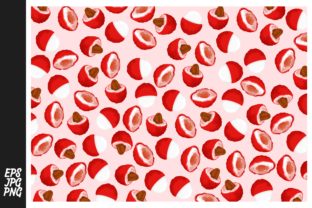
Lychee Pattern is a visual motif inspired by the lychee fruit's textured surface. It features subtle, organic shapes and a soft, natural aesthetic that adds depth and character to any design. Unlike traditional geometric patterns, Lychee Pattern offers a more tactile and organic feel, making it ideal for those looking to infuse their work with a sense of warmth and authenticity.
The pattern’s versatility lies in its ability to adapt to both minimalist and intricate designs. Its delicate details can be scaled down for subtle background textures or expanded for bold, eye-catching visuals. The availability of multiple file formats ensures that users can seamlessly integrate Lychee Pattern into their workflow, whether they're working on print materials, web graphics, or digital illustrations.
Real-World Applications of Lychee Pattern
One of the most compelling aspects of Lychee Pattern is its broad applicability. Here are a few real-world scenarios where it shines:
- Branding and Packaging: Many food and beverage companies use Lychee Pattern as a subtle background for packaging to evoke a sense of natural beauty and freshness. For instance, a lychee-flavored tea brand might incorporate the pattern into its label design to align with the product’s theme.
- Interior Design: In home décor, Lychee Pattern can be used as a wallpaper or fabric texture to create a calming, nature-inspired atmosphere. It works especially well in spaces like living rooms or wellness studios where a soothing environment is key.
- Digital Assets: Web designers and graphic artists often use Lychee Pattern as a background texture for websites, social media posts, or app interfaces. Its organic nature helps create a more engaging and visually appealing user experience.
- Fashion and Textiles: Fashion designers have embraced Lychee Pattern for fabric prints, particularly in summer collections. Its light, airy look complements breathable fabrics and gives garments a fresh, modern edge.
These examples illustrate how Lychee Pattern can be tailored to suit different industries and purposes. Its flexibility allows it to serve as a foundational element in a wide range of creative projects.
Who Benefits from Using Lychee Pattern?
Lychee Pattern is not limited to a specific audience or profession. Here’s how different users may benefit from it:
Designers and Artists
For designers and artists, Lychee Pattern provides an easy way to add texture and depth without overwhelming the overall composition. It can be layered over other elements or used as a standalone feature to enhance visual interest.
Marketers and Branding Professionals
Marketers looking to build a cohesive brand identity can use Lychee Pattern to maintain consistency across various touchpoints. Its organic feel can help reinforce a brand’s connection to nature, health, or sustainability.
Entrepreneurs and Small Business Owners
Small business owners can leverage Lychee Pattern to elevate their brand aesthetics at a low cost. With the available formats, they can easily apply the pattern to logos, marketing materials, or product packaging to create a professional and memorable image.
Students and Hobbyists
Students and hobbyists who are just starting out in design can use Lychee Pattern as a learning tool. It offers a practical way to experiment with textures, color combinations, and layout techniques while staying within budget.
Considerations Before Using Lychee Pattern
While Lychee Pattern is a powerful tool, there are several factors to consider before incorporating it into your project:
- Resolution and Scalability: Ensure that the chosen format (JPG, EPS, or PNG) matches the intended use. High-resolution files are essential for print projects, while PNGs offer better scalability for digital use.
- Color Matching: Be mindful of how the pattern interacts with your color palette. Test it in different lighting conditions to ensure it maintains its intended effect.
- Context and Purpose: Consider the context in which the pattern will be used. A subtle application might be more appropriate for a corporate setting, while a bolder use could work well in a creative or artistic environment.
- Copyright and Licensing: Always verify the licensing terms of the pattern to avoid any legal issues. Some patterns may require attribution or have restrictions on commercial use.
By keeping these considerations in mind, you can maximize the effectiveness of Lychee Pattern in your creative projects.
Strengths and Limitations
Like any design element, Lychee Pattern has its strengths and limitations. One of its greatest strengths is its adaptability. It can be customized to fit almost any design need, from subtle background textures to bold statement pieces. Additionally, its organic appearance makes it stand out in a market saturated with rigid, geometric designs.
However, there are some limitations to be aware of. For example, Lychee Pattern may not be suitable for high-contrast or highly detailed designs. It also requires careful placement to avoid overwhelming the viewer. In some cases, it may need to be paired with other elements to achieve the desired visual balance.
Despite these limitations, the benefits of using Lychee Pattern far outweigh the drawbacks, especially when applied thoughtfully and purposefully.